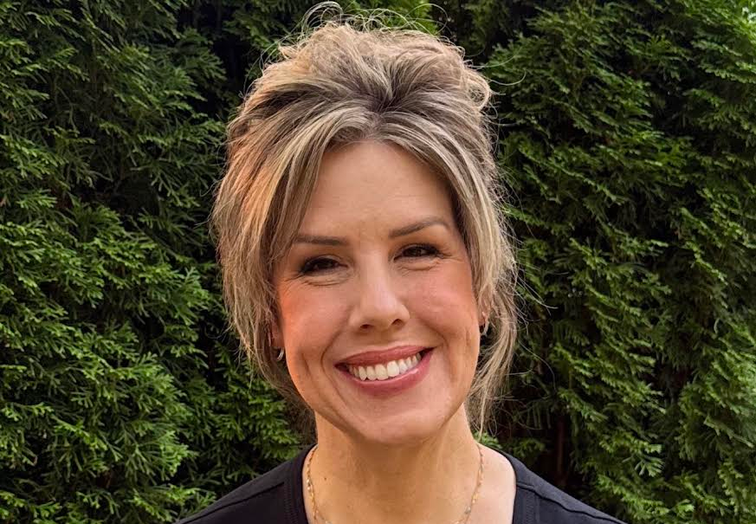
Chilliwack – Rachel Young is a mom of five living in Chilliwack. She has been reaching out because she would love to bring attention to an issue that’s very personal to her family.
Her six-year-old son is autistic, minimally speaking, and at significant risk of elopement (wandering or leaving a safe place unexpectedly). Even with close supervision and safety measures in place, they’ve had some frightening experiences. If he were ever to go missing, he might not respond to his name, recognize danger, or be able to tell someone who he is or where he belongs.
It’s something their family has to think about every day.
What concerns Rachel is that when a vulnerable child or adult goes missing and may be in immediate danger, their disappearance may not meet the criteria for an AMBER Alert, and there isn’t always another way to quickly alert the public.
This issue received attention following the disappearance of 11-year-old Parker Wells, who was autistic and non-speaking, after he wandered away from his day home in Calgary this summer (2026). His disappearance didn’t qualify for an AMBER Alert. About two days later, Alberta granted a special exemption allowing a public emergency alert to be issued. Tragically, Parker was found deceased after an extensive search.
We can’t know whether an earlier alert would have changed the outcome, but his case raised serious questions about the gaps in our current alert systems.
Rachel is now part of Indigo Alert Canada’s BC team, a newly formed national nonprofit focused on better protecting vulnerable people who go missing through public safety education, community preparedness and research.
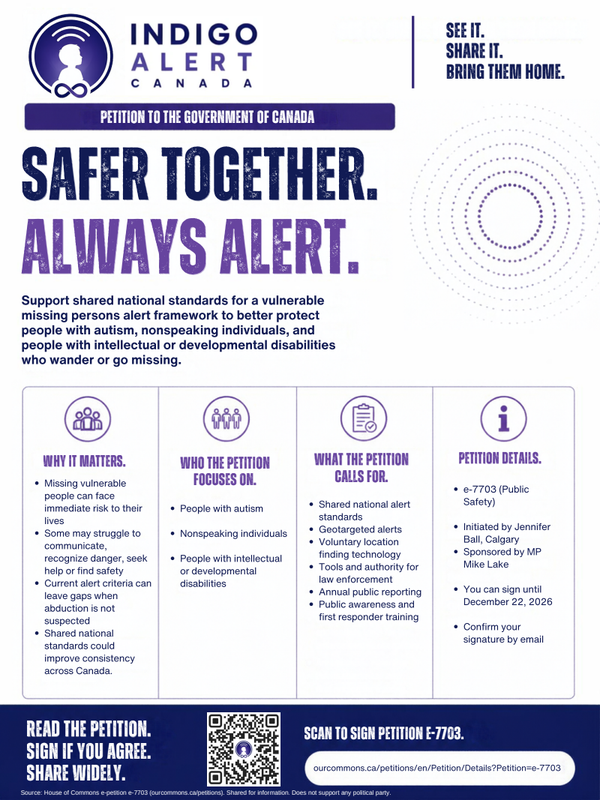
They’re currently raising awareness of House of Commons petition e-7703, sponsored in Parliament by MP Mike Lake (Leduc—Wetaskiwin)
The petition calls on the federal government to bring together provinces, territories, law enforcement, autism and disability organizations, and families to develop shared national standards for a vulnerable missing-person alert framework across Canada. It also proposes practical measures such as geographically targeted public alerts, voluntary location-finding technology, tools to help police respond quickly, public reporting, and improved awareness and training for first responders.
Although Rachel’s personal experience is through autism, this issue affects vulnerable people of all ages, including those who are non-speaking or have intellectual or developmental disabilities.
You can read and sign the petition here:
https://www.ourcommons.ca/petitions/en/Petition/Details?Petition=e-7703
FVN’s Don Lehn in conversation with Rachel Young