Victoria – Post-secondary students will be heading back to safer campus communities this fall as all public post-secondary institutions are working to strengthen overdose safety measures and protections using updated overdose prevention guidelines.
What’s new in the update
The update of Overdose Prevention and Response: Guidelines for B.C.’s Post-Secondary Sector include expanded information in the following areas:
* leading practices for improving education for campus security and other staff and faculty
* expanded operational guidance, including incident debriefings, emergency procedures, and management and upkeep of nasal naloxone supplies on campus
* support for post-secondary institutions in developing emergency contact notification protocols.
Amidst the toxic-drug crisis, keeping young people safe continues to be a top government priority so students are better prepared to respond to a health emergency. That’s why the first version of the guidelines, released in 2024, was developed by the Overdose Prevention and Response Steering Committee: to support public post-secondary institutions in enhancing overdose prevention and response strategies on campuses. The guidelines were created in collaboration with multiple partners, including the Ministry of Health, the First Nations Health Authority, and the BC Centre for Disease Control. B.C.’s public post-secondary institutions also contributed. Every institution committed to taking action to prevent and address overdoses to keep their campus communities safe.
Throughout summer 2026, the Ministry of Post-Secondary Education and Future Skills has been working with public post-secondary institutions with the goal of developing and implementing updated policies for the start of the 2026-27 academic year. The release of the guidelines coincides with the launch of a public awareness campaign that will inform students about the actions they should take in response to overdose incidents to support safety on post-secondary campuses and beyond.
Protecting students through tools and awareness
The guidelines encourage post-secondary institutions to raise awareness about the dangers of the toxic-drug supply by providing information during student and staff orientations, and continuing to keep people informed throughout their time at school. The guidelines also prompt post-secondary institutions to promote awareness of supports, such as:
* overdose prevention sites and virtual overdose prevention services, such as the National Overdose Response Service (NORS)
* supervised consumption services, naloxone kits, and drug-checking services that may be available on campus or within the broader community
* services that can help people manage their mental health and reduce or stop drug use
Post-secondary institutions are encouraged to ensure that students know they should call first responders during a suspected overdose and that they are protected by both the provincial Good Samaritan Act and the federal Good Samaritan Drug Overdose Act.
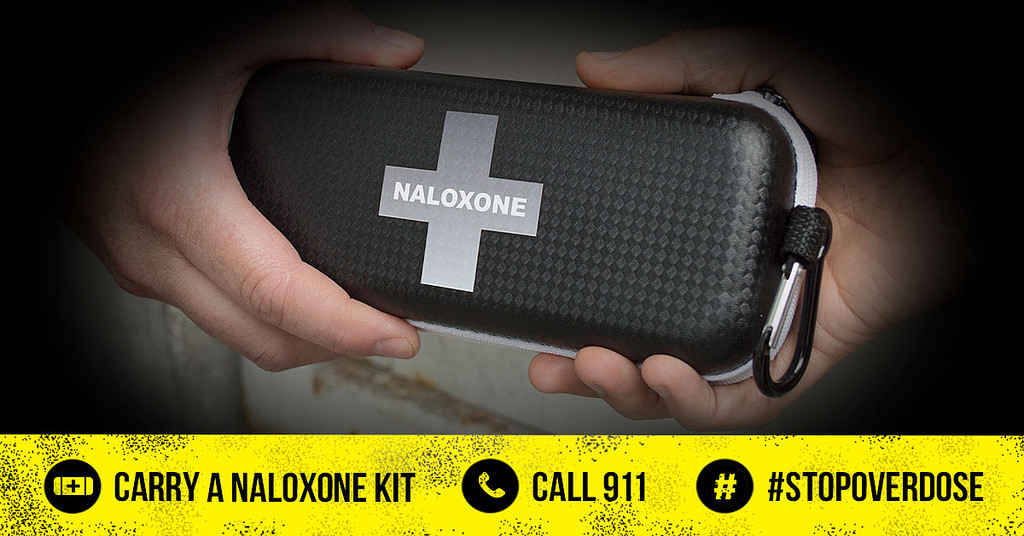
In time for the fall 2026 semester, government has distributed 1,600 nasal naloxone kits to all public post-secondary institutions and First Nations-mandated institutes.
Each post-secondary institution develops a unique plan to best suit its community’s needs. The guidelines outline existing provincial resources and offer considerations to support institutions in developing and enhancing their plans. Institutions are encouraged to use the guidelines to build consistency within the post-secondary sector and, wherever possible, to provide shared messaging for students who attend multiple post-secondary institutions during their education.
* Read the updated Overdose Prevention and Response: Guidelines for B.C.’s Post-Secondary Sector: https://www2.gov.bc.ca/assets/